Whether you’re building new or upgrading an existing home, window durability matters. Materials have to perform through extreme heat, subzero winters, heavy rain, and long-term exposure to the elements, all while maintaining structural integrity, tight seals, and energy efficiency.
At Vector Windows, multi-chamber frames and weather sealing are built to handle the kind of climate swings that happen in real homes, not lab tests.
This article explains how vinyl windows handle temperature extremes, resist moisture damage, maintain year-round comfort through superior sealing, and how to choose the right specifications for your specific climate.
Table of Contents
How Do Vinyl Windows Handle Temperature Extremes?
All window materials expand and contract with temperature changes. Vinyl (PVC) has a higher coefficient of thermal expansion than wood or aluminum, meaning it will grow and shrink more with temperature swings. However, modern vinyl window systems are engineered to accommodate this movement without compromising performance.
Multi-chamber frames create air pockets that slow heat transfer. In Phoenix, where summers exceed 110°F, properly designed vinyl maintains structural integrity while managing heat gain. In Minnesota winters, less heat escapes through the frame.
Fusion-welded corners eliminate weak points found in screwed joints. Quality vinyl formulations resist UV degradation, critical for south-facing windows under constant sun exposure.
Pair vinyl frames with Low-E glass coatings to block summer heat gain while keeping warmth inside during winter.
Why Are Vinyl Windows Resistant to Moisture Damage?
Vinyl is non-porous, so water doesn't soak in, which eliminates rot entirely. Salt air corrodes metal. Moisture rots wood. Vinyl resists both.
Built-in sill drainage channels direct water out through weep holes before damage can occur. Envision Awning windows work well in bathrooms and basements because they allow ventilation during light rain while keeping water out.
No maintenance cycle. No annual sealing or staining. No repainting after storms.
How Do Vinyl Window Seals Improve Comfort Year-Round?
Effective sealing drives comfort, efficiency, and indoor air quality, but it varies by window style.
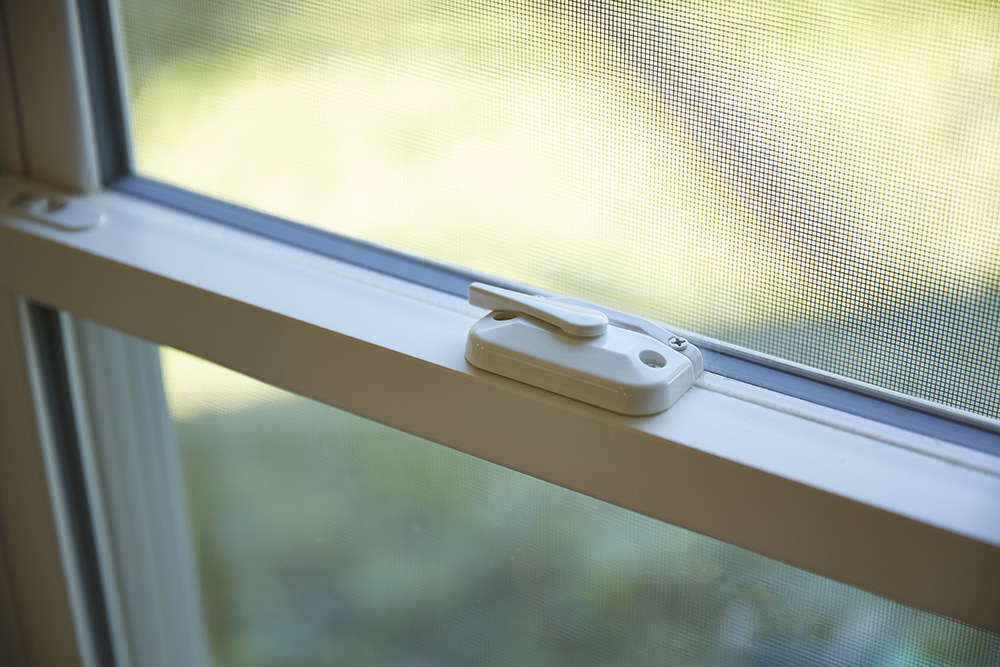
Envision Casement windows use full perimeter compression seals for continuous air and water protection. Envision Double-hung windows use triple seals at the stiles, creating multiple barriers against drafts and moisture.
High-quality compression seals maintain contact as temperatures change, reducing drafts, heat transfer, outside noise, and airborne dust year-round.
Choosing Vinyl Windows Built for Your Climate
Temperature stability, moisture resistance, superior sealing, and low maintenance. These core benefits give homeowners control over comfort and energy costs regardless of climate.
Think about your specific climate challenges. Extreme heat requires Low-E coatings that reflect solar radiation. Heavy snow demands strong frames that won't bow under ice buildup. High humidity needs drainage systems that handle moisture effectively. Coastal salt air requires materials that won't corrode.
Matching window design to climate conditions, along with proper installation, is essential for long-term performance. Vinyl windows provide the flexibility and durability to meet those demands, whether for a new build or an existing home.
Ready to find windows built for your climate? Contact Vector Windows to discuss your home's specific needs and explore vinyl window options that deliver lasting performance.
FAQs
Can vinyl windows handle high humidity or coastal climates?
Yes. Vinyl is non-porous and won't absorb moisture. It won't rot like wood or corrode like aluminum, which is why it performs well in coastal and humid environments.
How long do vinyl windows maintain their weather seals?
Quality compression seals are designed to maintain performance for decades when properly installed. Unlike rubber gaskets, they resist drying out and cracking over time.
Are vinyl windows energy-efficient in all climates?
Yes, when properly specified. Multi-chamber frames provide natural insulation. The key is matching the right glass package to your climate. Low-E coatings for hot climates, enhanced insulation for extreme cold.